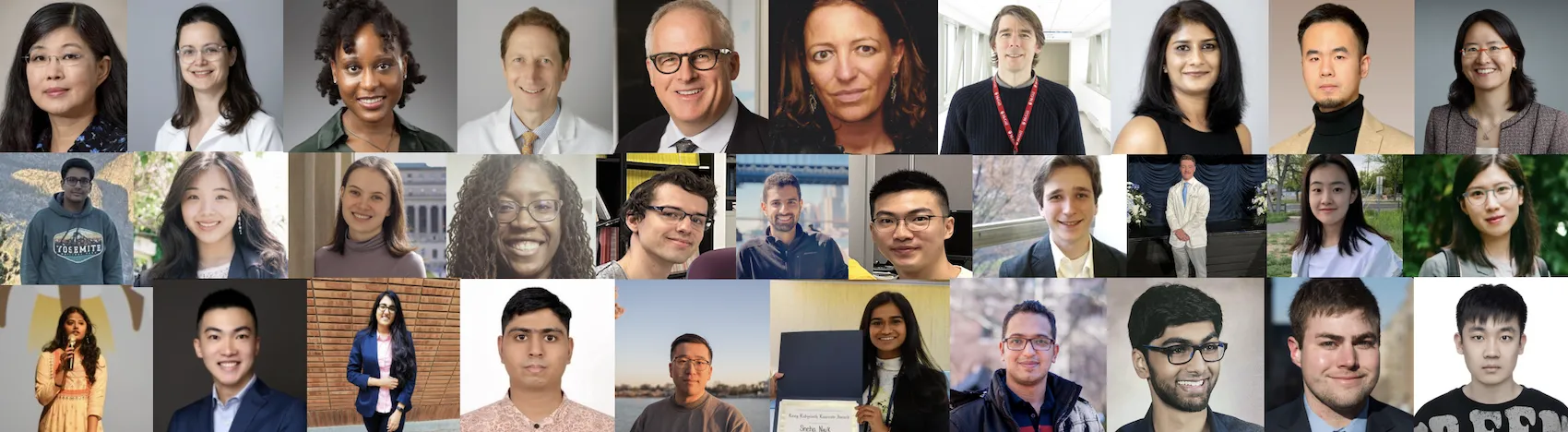
About HBIL

Founded in 1997 by Professor Andrew F. Laine, work in the HBIL lab is dedicated to the analysis of medical and biological images for enhancement, quantification, modeling, and correlation with clinical measures.
Our problem domain includes both basic science (e.g. image formation and acquisition), algorithmic design and clinical applications (e.g. measures of pathological processes). Our scope of imaging is broad and includes the study of image formation, denoising, segmentation, feature extraction, and anatomo-physiological modeling. We are interested in imaging structures at the molecular, cellular, tissue, and organ levels of analysis.
We have strong expertise in multiple methodological techniques, such as wavelet decomposition, speckle tracking, texture analysis, variational segmentation, parametric deformable models, and PET reconstructions. We deal with a wide range of imaging modalities, including 3D real-time echocardiography, lung computed tomography (CT), ultrasound, magnetic resonance imaging (MRI), and positron emission tomography (PET).
Active Research Projects
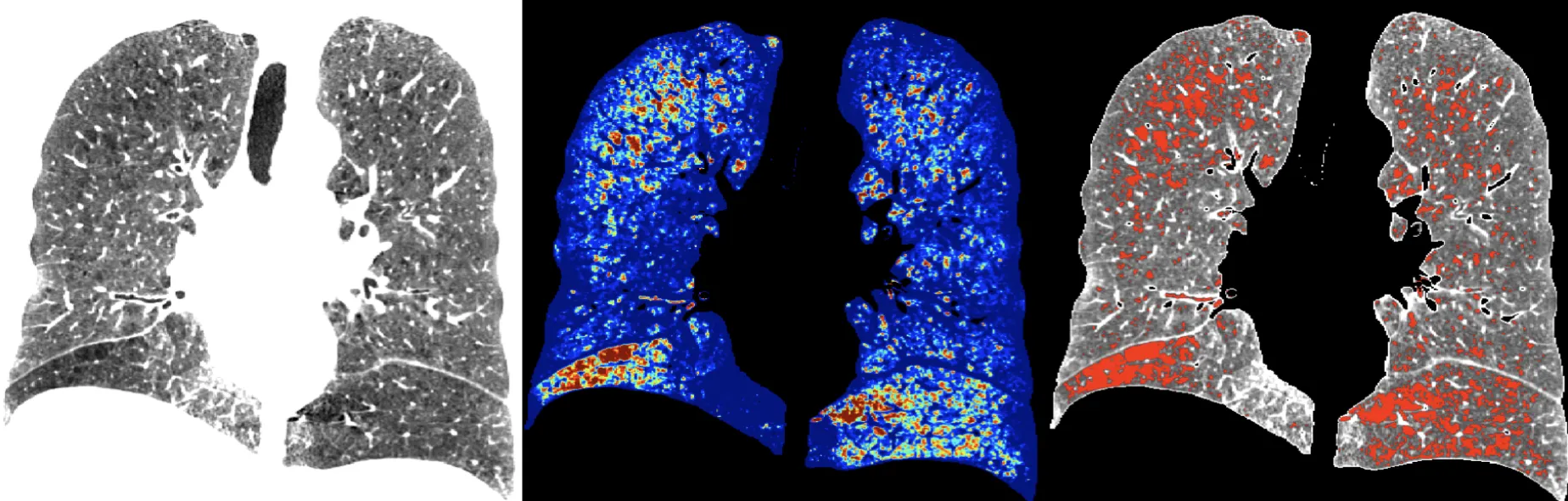
Adaptive quantification and subtyping of pulmonary emphysema from CT images
Funded by National Institutes of Health (NHLBI)1 R01
Period: 2012 -current
Short Info : Pulmonary emphysema is a condition involving alveolar wall destruction, contributing to chronic airflow limitation characteristic of chronic obstructive pulmonary disease (COPD). The processes underlying COPD are currently not well understood, even though the disease is a leading cause of morbidity and mortality worldwide.
Past Study: Automated detection of Protein Crystal Images
Short Info: High-throughput experiments with varying crystallization conditions are currently performed with the hopes that one or more conditions will provide leads for actual protein crystallization.
Recent Publication
Attention Mechanisms in UNet Variants for Medical Image Segmentation: A Comprehensive and State-of-the-Art Narrative Review
News
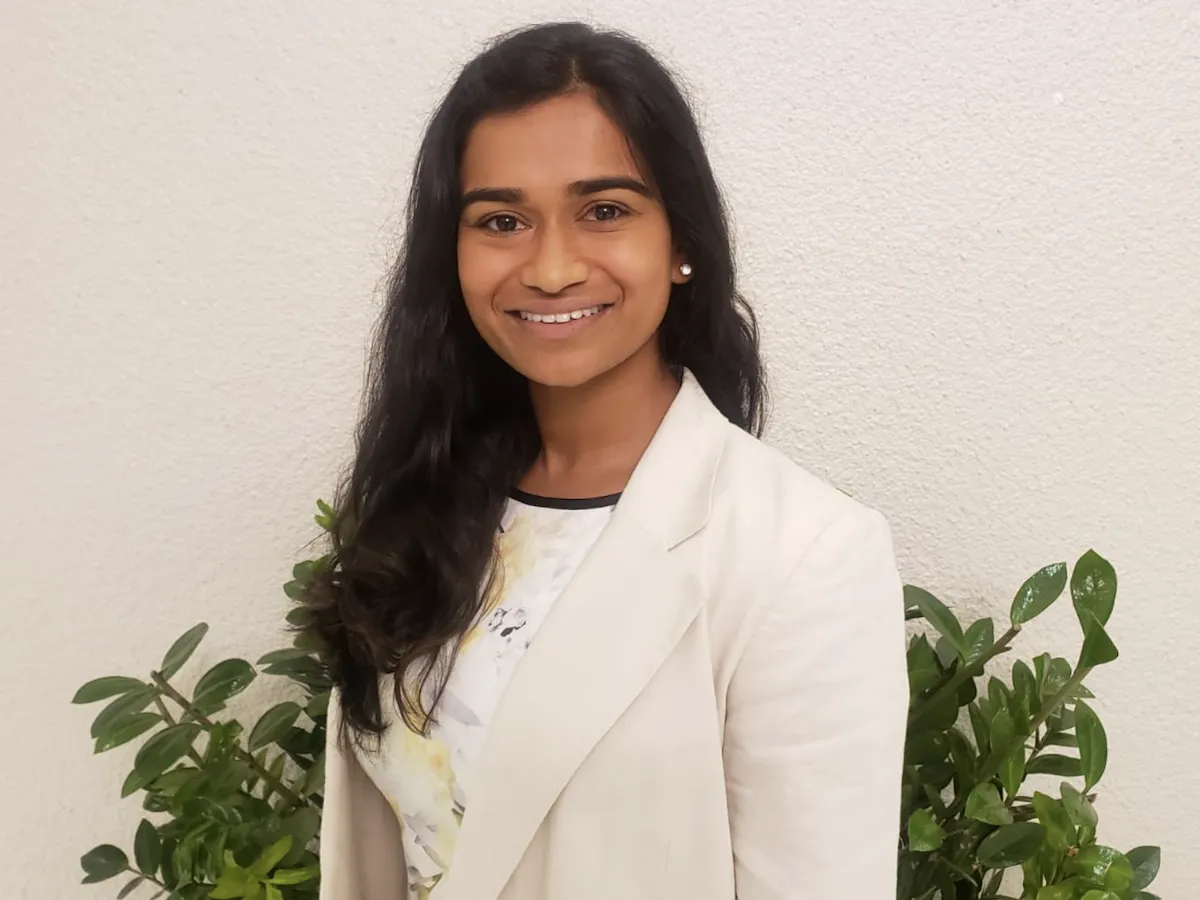
Assembly on Respiratory Structure and Function Stuart J. Hirst Abstract Excellence Award 2025
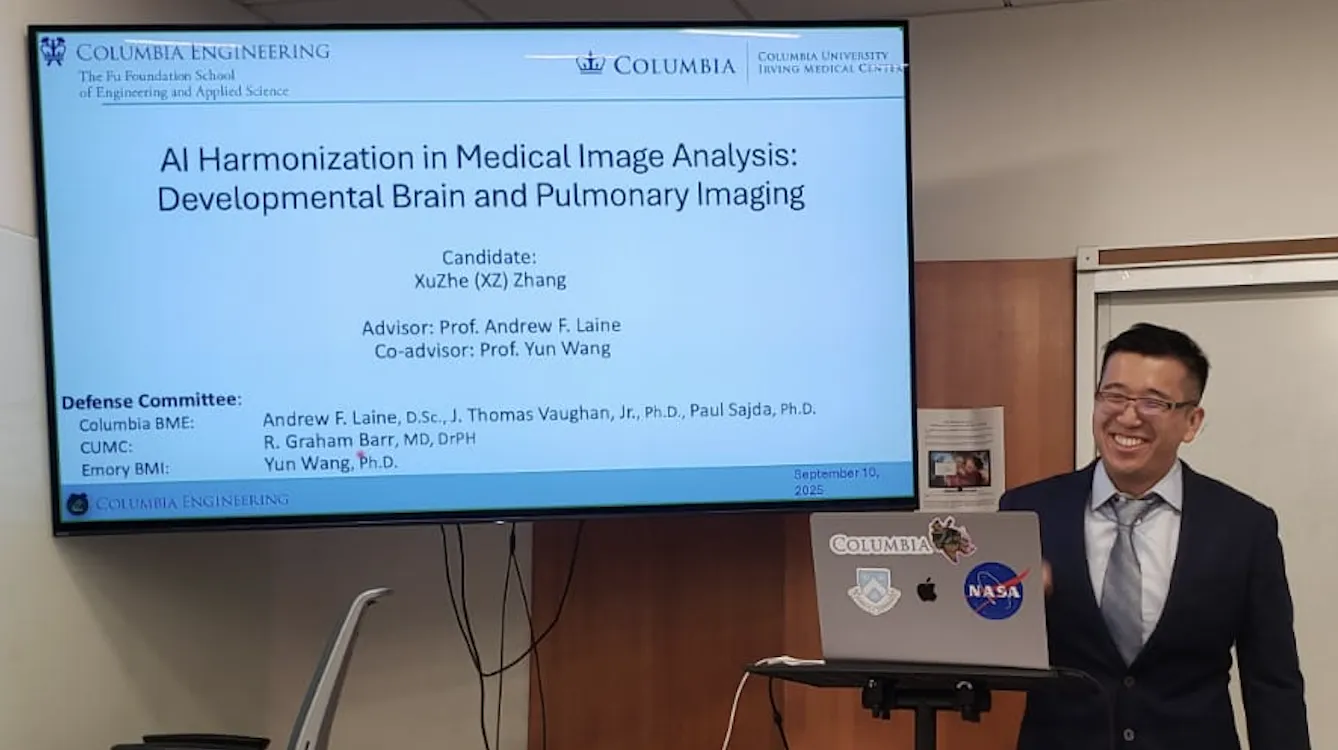
Read more about Xuzhe's thesis on Robust Artificial Intelligence for Medical Image Analysis.
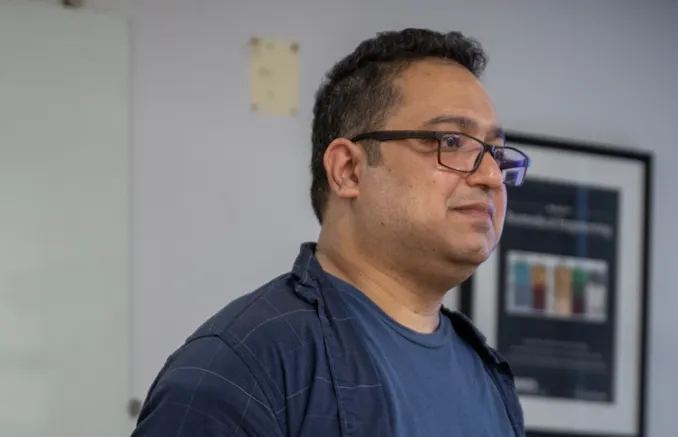
Read more about Soroush's thesis on Innovative Methods for Quantitative Medical Image Analysis in High Dimensional Spaces: Applications in Brain MRI and Lung CT.